About the Journal
The Interdisciplinary Journal of Archaeology Studies is an international, peer-reviewed, open-access journal dedicated to advancing knowledge in the field of archaeology through the publication of high-quality, original research. The journal serves as a platform for the dissemination of innovative studies, methodological advancements, and theoretical discussions that contribute to a deeper understanding of human history and cultural heritage.
Our scope encompasses a wide range of archaeological topics, including—but not limited to—prehistoric and historic archaeology, archaeometry, bioarchaeology, landscape archaeology, underwater and maritime archaeology, cultural resource management, heritage conservation, and interdisciplinary approaches involving anthropology, history, and environmental sciences.
Committed to scientific integrity and rigorous editorial standards, the Interdisciplinary Journal of Archaeology Studies adopts a double-blind peer review process and welcomes submissions from scholars, professionals, and advanced graduate students worldwide. By fostering academic dialogue and promoting open science practices, the journal aims to bridge diverse perspectives and stimulate critical reflection within the global archaeological community.
We publish articles, review essays, methodological notes, and thematic special issues, encouraging contributions that integrate empirical data with theoretical insights and comparative analyses. The Interdisciplinary Journal of Archaeology Studies is indexed in major academic databases, ensuring broad visibility and accessibility to the international research community.
Current Issue
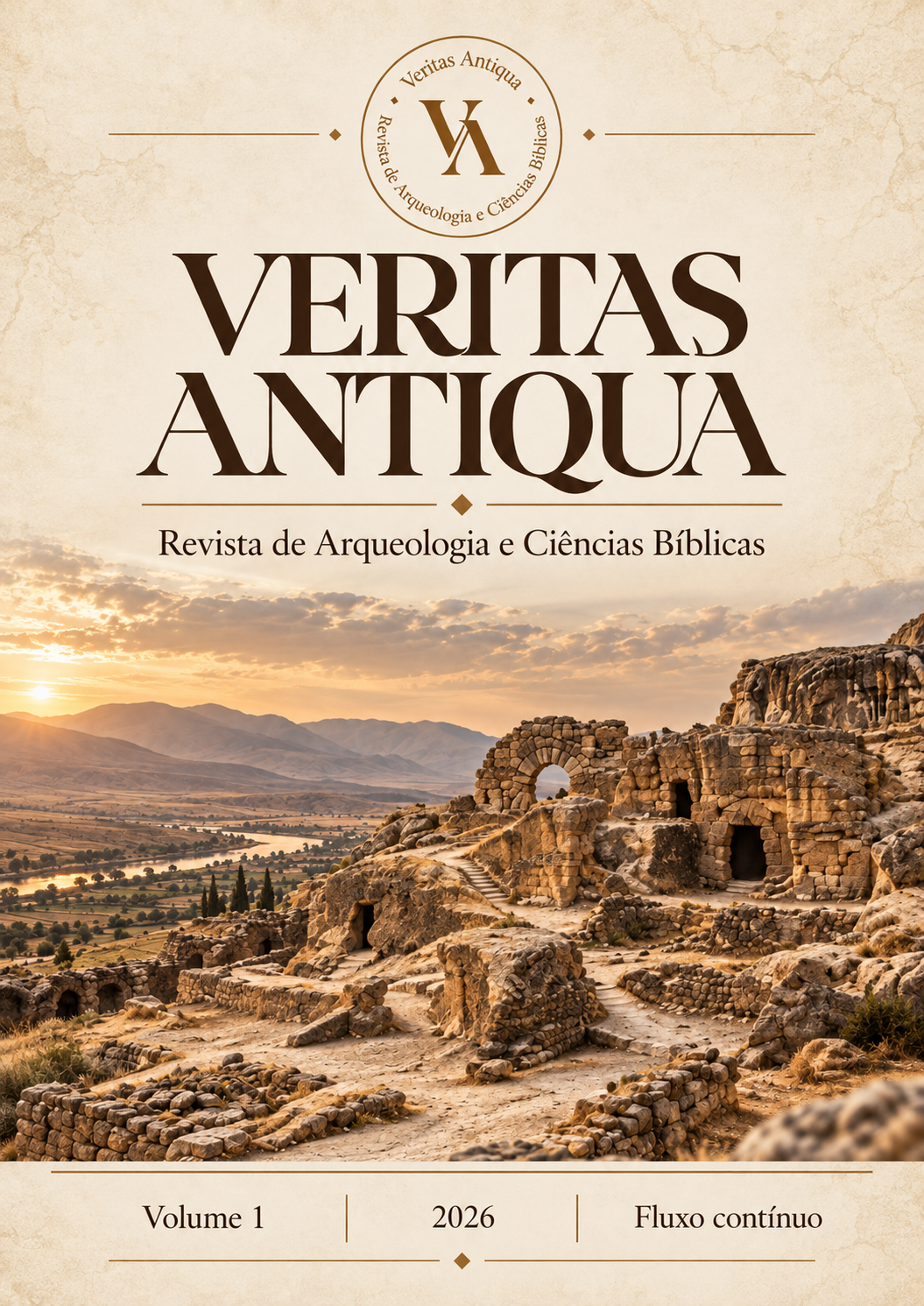
Vol. 1 (2026): Janeiro-Dezembro (fluxo contínuo)
Published:
2026-10-13